Price history
Recorded standalone sale prices and the latest available store price, in USD. Historical dots use the sale start date and its recorded offer price. Prices can change during a sale; this is not a daily price log. Bundle prices and upcoming offers are excluded. History covers up to the 100 most recent recorded offers.
Lowest recorded standalone price in this history: $60. The latest store price is $60, matching the lowest recorded price shown here.
View 1 recorded price
| Sale start / price check | Price | Observation |
|---|---|---|
| $60 | Latest store price |
About FFTOcean
- Theme > Nature & Countryside
- Art & Visuals > VFX
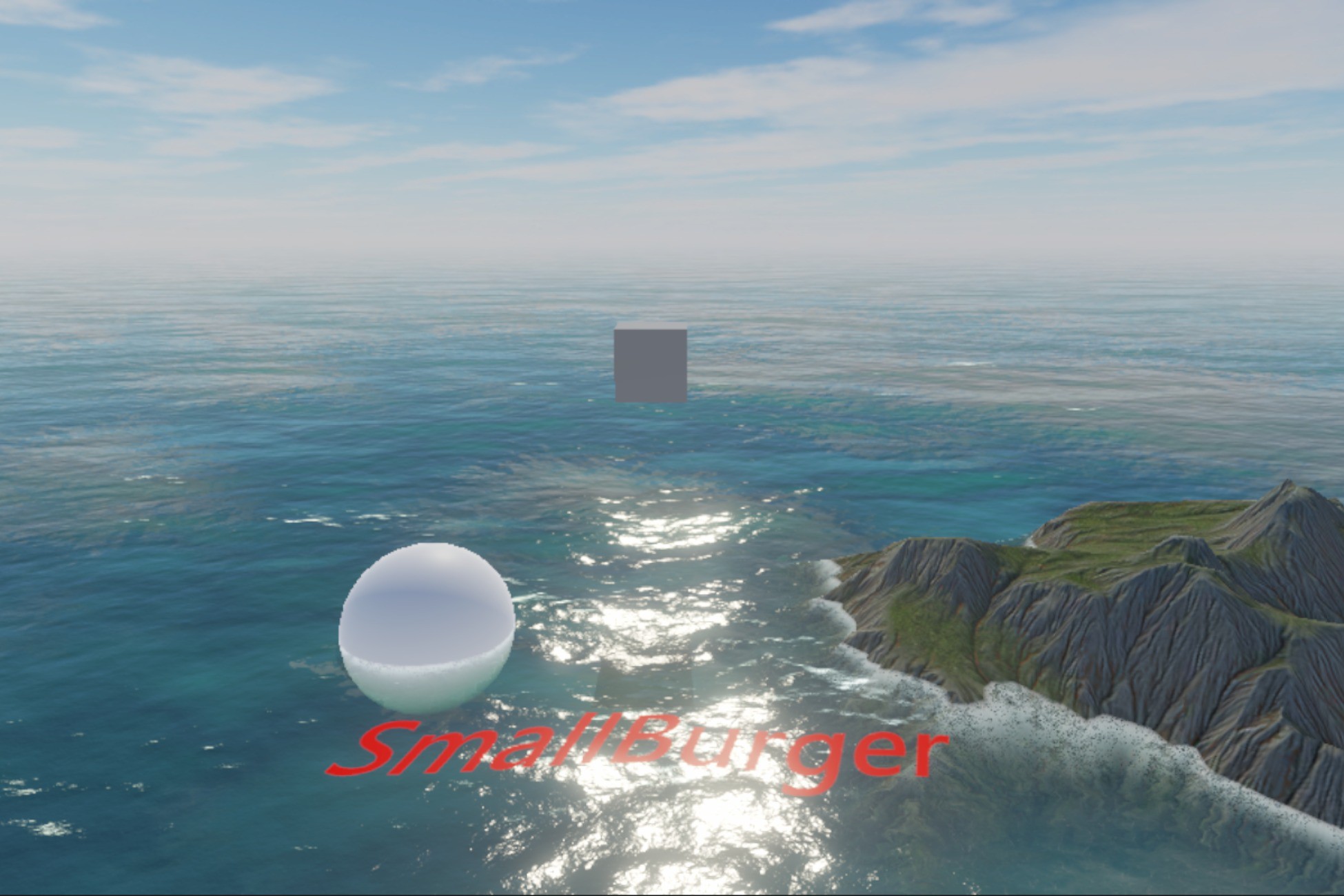
FFTOcean is an advanced water simulation system that runs smoothly on mobile platforms. It is based on oceanic noise simulation, integrating algorithms such as Fourier, Jacobian matrices, and projected grid to achieve infinite ocean effects based on Fourier transformations. Ocean Noise Simulation Based on Oceanic Modeling: This feature simulates realistic ocean waves and fluctuations. Jacobi Matrix Wave Foam Effect: This likely enhances the appearance of foam and wave crests on the water surface. BRDF (Bidirectional Reflectance Distribution Function) Lighting Model: BRDF models how light reflects off the water surface, affecting its appearance under different lighting conditions. Spectrum Parameter Settings: These settings control wave frequencies, amplitudes, and directions to simulate various ocean states. Refraction Effects and Related Parameter Settings: Refraction bends light as it passes through the water surface, affecting underwater visuals. Reflection Effects and Related Parameter Settings: These settings impact the mirror-like reflections on the water. Caustics Effects and Related Parameter Settings: Caustics are the light patterns created by refraction and reflection, such as those seen underwater. Integration of Wave, Interactive, and Edge Foam: These features likely handle different types of waves, interactive effects, and foam at the water's edges. Switching Between Projected Grid and Infinity Quad Modes: This allows control over the water surface grid, balancing performance and detail. Various Quality Settings: These parameters likely adjust the trade-off between computational accuracy and performance.