Tier 3
everything in lower tiers, plus:
34 assets
$25.95

Fighting Game in Godot - Unit 3 - Enemy AI
Develop intelligent enemies for your fighting game!Advanced artificial intelligence is key to creating engaging single-player experiences in any action-oriented game. Through this course, you will implement a complete AI system for a fighting game project that manages automated combat decisions based on dynamic state variables. Developing these scalable logic systems will empower you to create diverse, custom-tuned opponents for your future competitive titles, as well as give players options on how they want to play the game.You'll learn how to:Detect dynamic player combat statesProgram intelligent attack decision logicImplement adjustable AI difficulty levelsSimulate realistic player reaction timesManage automated stamina-based actionsAdd single-player and multiplayer options... and more!

Make an RTS Game in Godot from Start to Finish
Build a real-time strategy game from start to finish in Godot!RTS games challenge players to think on their feet and make strategic decisions in dynamic environments. In this course, you'll create an engaging RTS game featuring player-controlled units, an AI team, and strategy-driven gameplay using modular systems. By creating an RTS game, you’ll explore one of gaming's most exciting genres while mastering key development skills like AI behavior, navigation systems, and game mechanics—unlocking opportunities for more advanced projects.You’ll learn how to:Design real-time strategy gameplay mechanicsImplement player-controlled unit selectionProgram AI units with pathfindingApply navigation systems to avoid obstaclesCreate dynamic win/loss systemsAdd game juice and polish... and more!


Explore Micro-Survival Games with Godot
Build core survival systems in Godot!Survival games rely on modular player, resource, and world systems that can adapt to many different designs. In this course, you'll build a first-person controller, player needs system, and dynamic day/night cycle while practicing GDScript, UI progress bars, lighting, and environment adjustments in a complete real-world micro project. These skills will help you prototype richer survival mechanics and customize them for your own Godot worlds.You'll learn how to:Create first-person movementHandle jumping and momentumTrack player needsDisplay stats with UIDecay resources over timeBuild day/night lighting... and more!


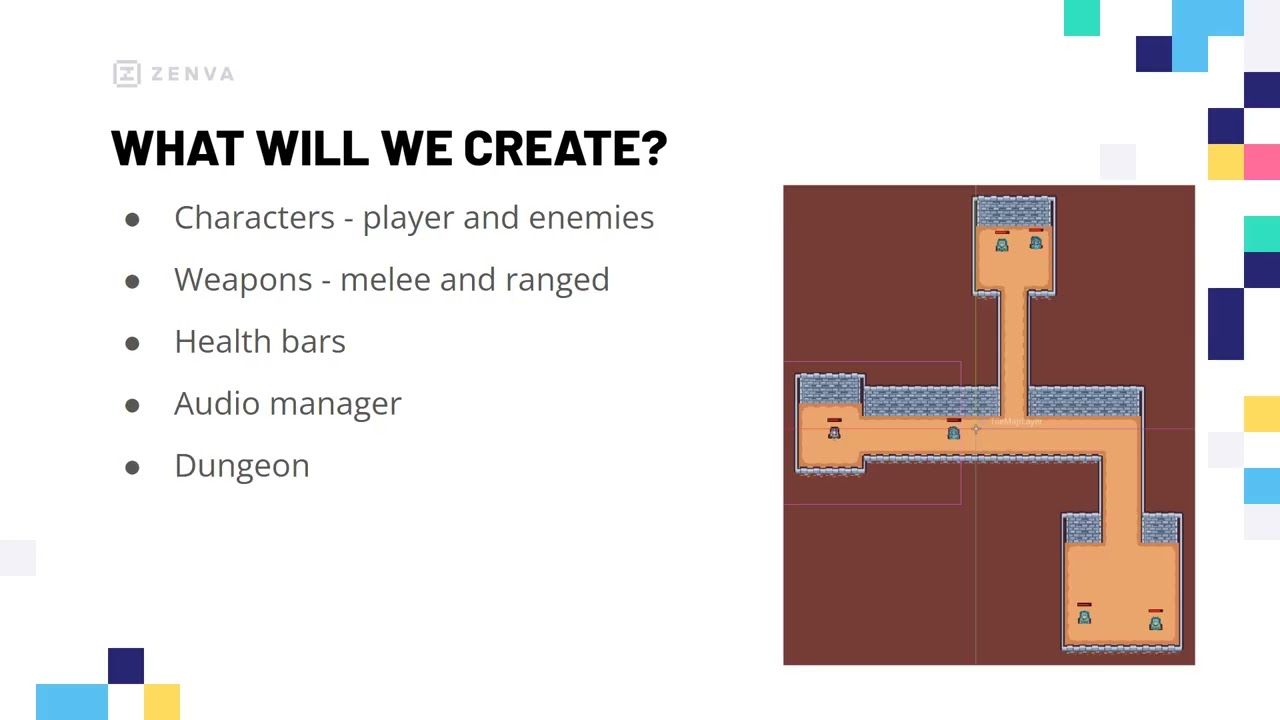
2D Action RPG in Godot - Unit 1 - Player & Enemies
Build the complete foundation for your own 2D action RPG in Godot!Action RPGs form the backbone of countless top-selling games, challenging developers to blend character control, AI, combat, and immersive worlds into seamless experiences. In this course, you’ll harness the power of Godot to create the core of a 2D action RPG featuring player and enemy characters, modular weapon systems, audio, and your own dungeon testbed. By mastering these essentials, you’ll unlock the skills to take on larger action RPG projects.You’ll learn how to:Create animated charactersDevelop interchangeable melee and ranged weaponsDisplay dynamic health bars for charactersImplement an audio manager using autoloadsBuild a basic dungeon levelApply object-oriented and modular design... and more!

Make a Fully-Fledged Farming RPG with Godot
Create a farming RPG from start to finish in Godot! Farming RPGs are a cornerstone of the game development world, seamlessly blending creativity, resource management, and engaging progression systems. In this course, you’ll build a complete tile-based farming RPG complete with seed planting, crop nurturing, harvesting, and more. By mastering the modular concepts featured, you'll be ready to expand these skills for your own project or add farming mechanics to any existing Godot project. You’ll learn how to: Interact with and modify TileMaps Use Autoloads for global managers Script crop growth and harvesting cycles Handle in-game purchases and inventory Organize logic with GDScript dictionaries Structure mechanics with custom GDScript classes ... and more!


Make a Complete Card Battler in Godot
Build a strategic card battler from scratch!Card battlers combine turn-based decision-making, resource management, and readable enemy behavior to create tactical combat. Through this course, you'll use Godot to build a complete roguelike card battler from start to finish, turning a playable combat loop into a polished game experience. With these skills, you can move on to designing larger card-based games with more varied encounters and strategic depth.You'll learn how to:Design turn-based combat flowCreate reusable card dataManage card casting and pilesBalance mana costs and regenerationTelegraph enemy combat intentionsAdd screen shake and audio... and more!


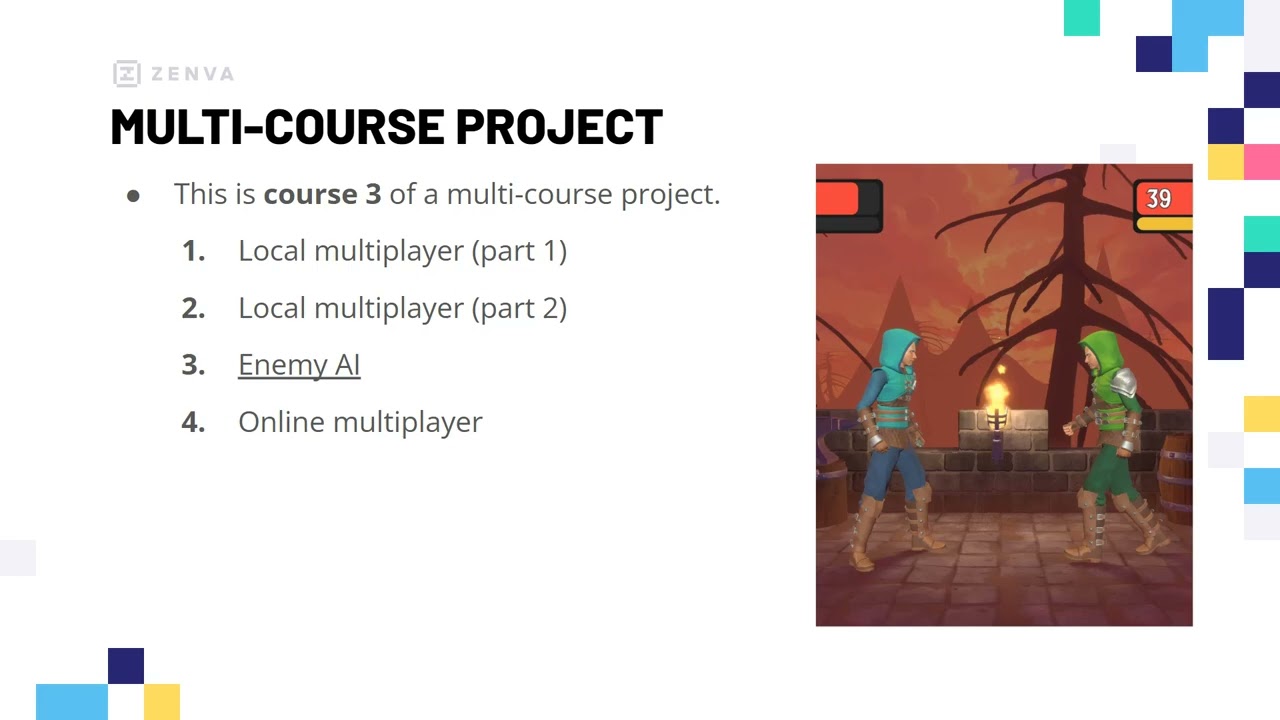
Monster Collector in Godot - Unit 3 - Gameplay Loop
Bring your monster collector to fruition by learning the workflows to combine complex systems!Monster collectors stand out as one of the most beloved game genres, combining immersive exploration, strategy, and battle progression. In this course, you’ll craft a complete game by uniting overworld exploration with dynamic, turn-based battle gameplay - all while adding NPC-based features. These skills will expand your Godot expertise by showing you how to integrate complex RPG systems and design a cohesive gameplay loop.You’ll learn how to:Seamlessly combine overworld and battlesTrigger wild encounters during explorationDesign a nurse to heal monstersImplement monster leveling progressionAdd quests to guide player progressUse Godot resources for data management... and more!

Intermediate Godot - Modular Design Patterns
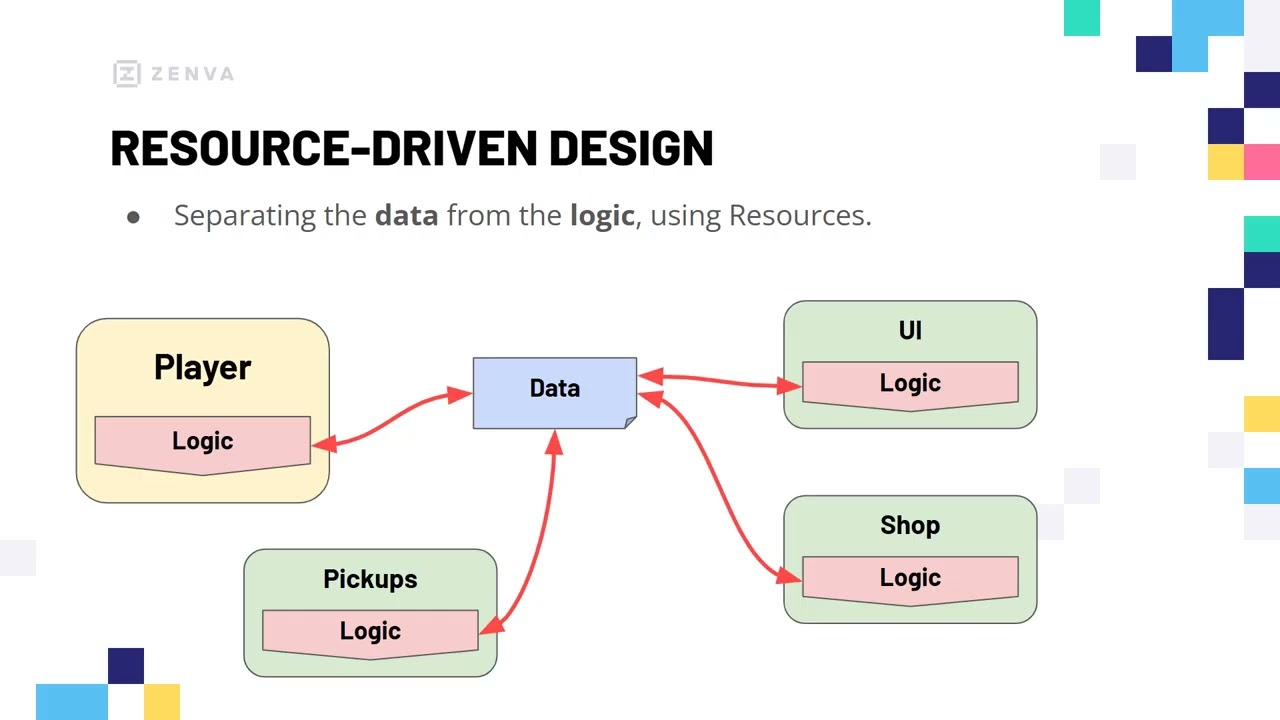
Learn modular design patterns for Godot!Efficient software architecture is the backbone of scalable game development, ensuring that projects remain manageable as they grow in complexity. Through this course, you will learn how to decouple complex systems by implementing advanced structural techniques directly within the Godot engine. These professional-grade skills will enable you to architect sophisticated game systems that are easy to debug, expand, and refactor for your future game projects.You will learn how to:Implement reusable component-based compositionCreate centralized global event busesDecouple game data using ResourcesMinimize complex node dependenciesDevelop scalable, modular architecturesApply patterns to real-world projects... and more!

Develop a Complete 3D Platformer in Godot
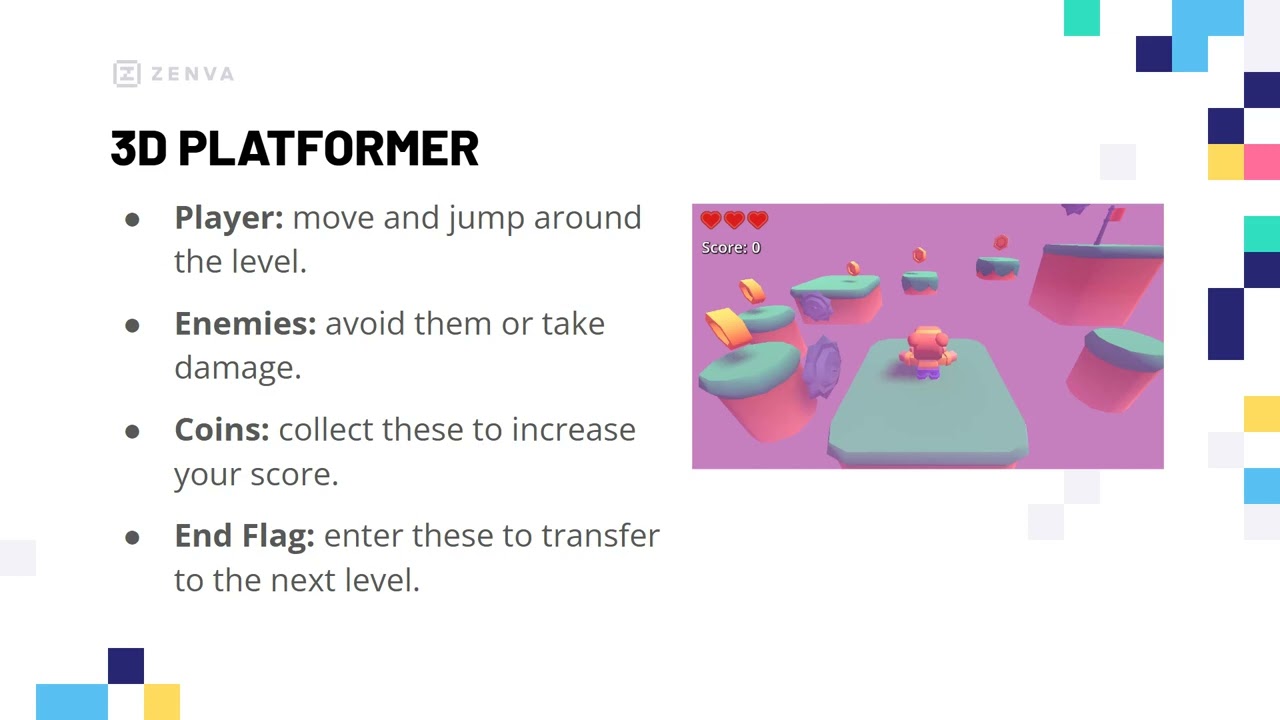
Craft a complete 3D platformer game from start to finish! 3D platformers are a staple of game design, combining engaging challenges with rewarding exploration across dynamic environments. In this course, you’ll harness the power of Godot to create a fully-fledged 3D platformer game, complete with collectible items, enemy hazards, and multiple levels. By walking through every step of development, you’ll not only build a compelling game but also gain practical experience that will equip you to tackle even more complex 3D game projects. You’ll learn how to: Set up levels using Godot's 3D tools Create a responsive player controller Enhance player movements with visual feedback Implement collectibles with scores and effects Design custom enemy behaviors Build seamless level transitions ... and more!

Metroidvania with Godot - Unit 1 - Platformer Basics
Build a Metroidvania platformer with Godot! Metroidvanias are renowned for their intricate worlds, layered mechanics, and rewarding exploration, making them a staple of modern game design. In this course, you’ll develop a responsive 2D platformer while learning to create precise character movement, custom enemy behavior, and sophisticated player animations. Through hands-on practice, you’ll gain the essential technical and creative skills needed to craft platformers in Godot that don’t just work, but truly feel satisfying to play. You'll learn how to: Code tight, responsive player controls Implement dashing, ducking, and “coyote jumping” Build levels with efficient tilemaps Create and program basic enemies Animate characters with layered motion Set up shooting and explosion mechanics ... and more!

Intro to Godot 4 Game Development
Get started with the Godot 4 engine!Godot is a free, popular, and open-source engine made to create both 2D & 3D games. Featuring an easy-to-understand node-based system and Python-like scripting language (GDScript), Godot makes it super fast to build your projects.In this total beginner’s course, you’ll explore the engine itself and GDScript fundamentals that will set you on the path to development success.Jump in and gain skills in all the tools you’ll need to start building RPGs, survival games, platformers, and more!You will learn how to:Navigate the engineUse nodes and scenesWork in 3D & 2DManipulate lightingScript with GDScriptAdd basic interactivity… and more!


Make a Complete Bullet Hell from Scratch in Godot
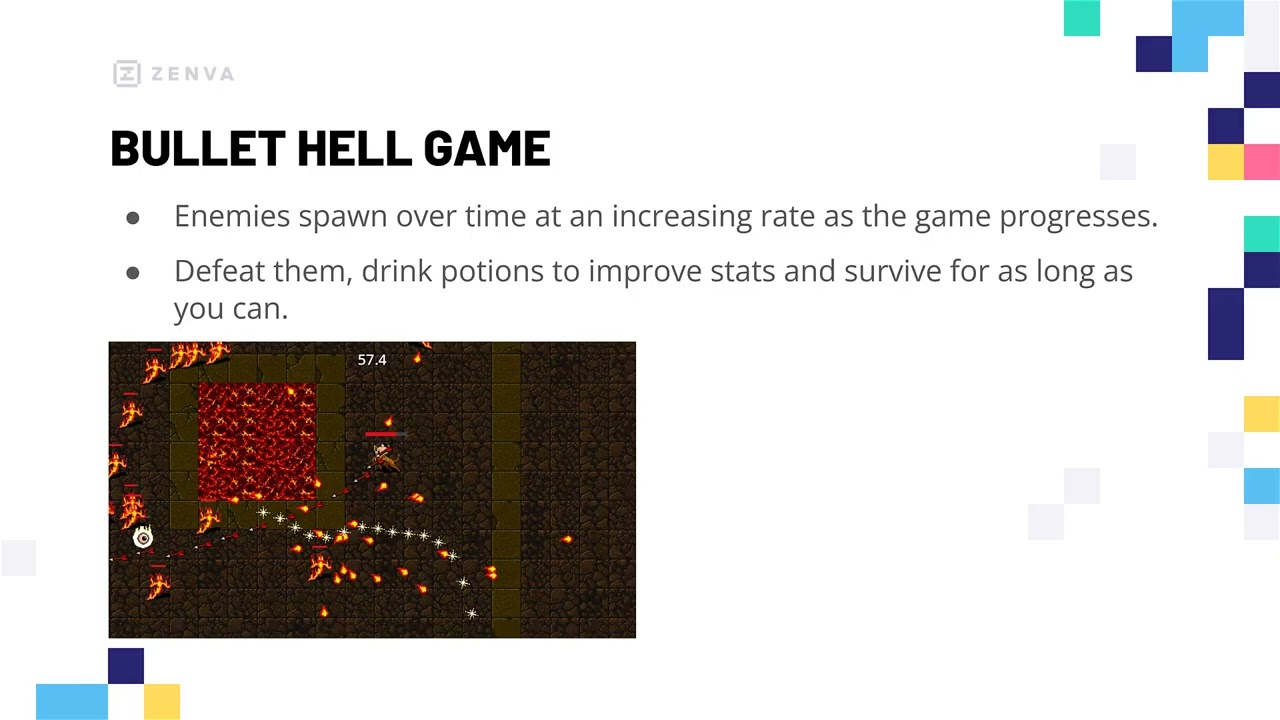
Craft a fully-fledged bullet hell game in Godot! Bullet hell games are renowned for their fast-paced action, dense attack patterns, and the technical challenge of managing hundreds of objects on screen - making them a fantastic way to advance your game development skills. In this course, you’ll build a complete bullet hell experience, mastering techniques such as node pooling, scene inheritance, and randomization. These new skills will vastly enhance your Godot skills and enable you to make increasingly complex games with many objects. You’ll learn how to: Implement efficient object pooling Utilize scene inheritance for scaling Create dynamic object spawn systems Work with sprite sheets and tilemaps Add polished audio and SFX Design pickups and stat upgrades ... and more!

Monster Collector in Godot - Unit 1 - Overworld
Build a fully-fledged overworld for your own monster collector game in Godot! Monster-catching RPGs have become legendary in the world of game development, renowned for their expansive exploration, memorable trainers, and the thrill of player progression. In this course, you’ll create a complete overworld system, designing multi-level environments, crafting interactive dialogue, and mastering techniques to persistently track data states. These skills will empower you to engineer robust adventures and bring your creature-collecting worlds to life. You’ll learn how to: Build multi-level overworld environments Develop trainer dialogue options Organize complex data efficiently Master Godot's TileMap and animations Modularize code with inheritance Apply advanced state management patterns ... and more!


2D Action RPG in Godot - Unit 2 - Items & Inventory
Expand your Godot Action RPG with an interactive inventory system!Inventory and item mechanics are essential to action RPG design, offering players choices in how they collect, manage, and utilize resources. In this course, you'll create an inventory and item framework from start to finish, enhancing your project with loot drops, consumables, equipment mechanics, and more. The techniques learned will allow you to define every aspect of item rewards and player progression, adding real-world RPG depth and replayability to your projects.You'll learn how to:Design and implement diverse item typesBuild a scalable inventory systemConnect inventory UI to equipment actionsEnable item consumption with effectsConfigure enemy loot drop poolsIntegrate items seamlessly into dungeons... and more!


Build a Complete Hypercasual Game with Godot
Create mobile-ready hypercasual games with Godot!Hypercasual mobile games thrive on simple mechanics, fast decisions, and polished replayable flow. In this course, you'll build a complete hands-on Godot project centered around earning units, navigating gates, and reaching the end of a mobile-style level. These skills will help you design quick-play gameplay systems and adapt Godot workflows for real-world mobile game development.You'll learn how to:Set up mobile-friendly workflowsCreate gate-based gameplayTrack player unit countsScript quick decision mechanicsAdd obstacles like spikesBuild levels from start to finish... and more!
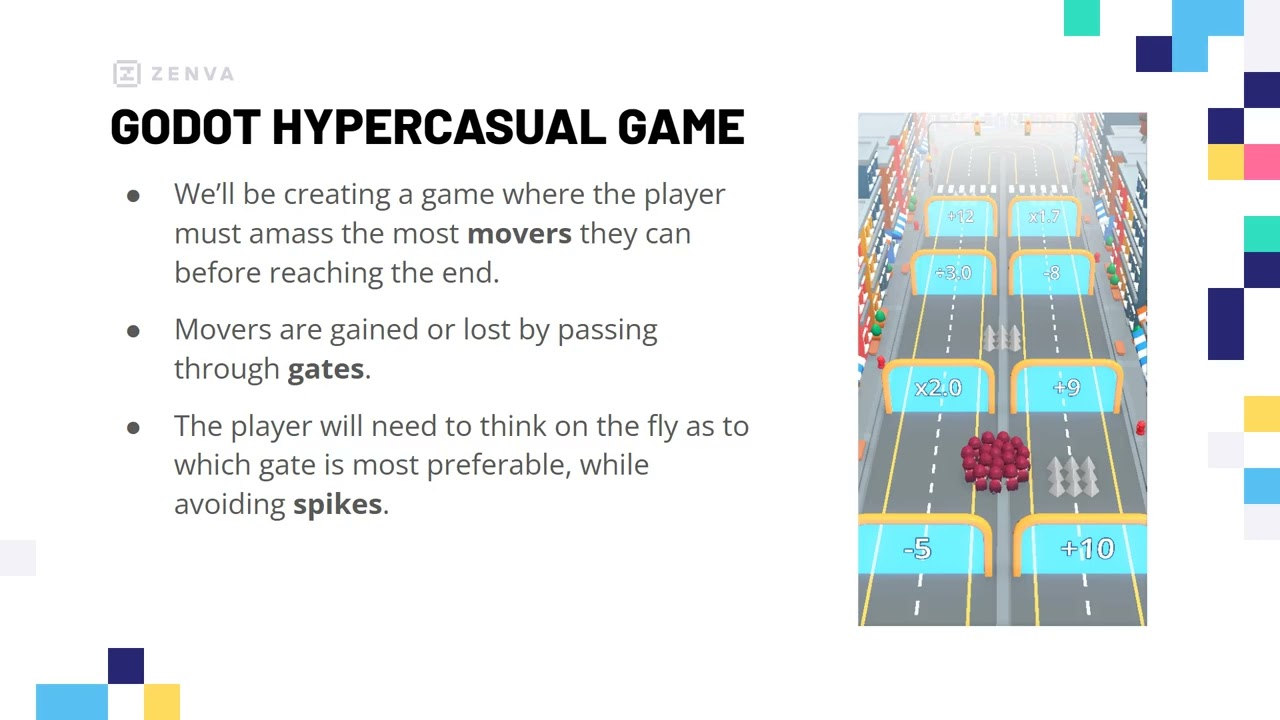

Intermediate Godot - Goal-Driven Decision System
Build goal-driven game agents in Godot!Goal-driven decision systems help game characters choose actions by comparing internal needs, environmental context, and available options. In this course, you'll build a complete villager simulation in Godot using Utility AI - a practical scoring method for ranking possible actions, not a generative AI tool. These skills will help you create NPC behaviors that evaluate hunger, energy, inventory, and resources to decide what to do next.You'll learn how to:Structure autonomous game agentsTrack hunger and energyGather decision-making contextScore possible actionsBuild brain evaluation logicDebug adaptive NPC behavior... and more!


Godot 4 Mini-Projects
Expand your Godot 4 knowledge with mini-projects!Mastering Godot's tools and GDScript language is an essential part of giving your game projects mechanics. You'll explore a variety of concepts related to loops, collisions, physics, and more while building four practical projects to cement your knowledge. These skills will strengthen your Godot foundations and give you more development tools to bring your dream games to life!Basic skills in Godot and GDScript are needed to take this course.You will learn how to:Alter object properties via scriptBuild UIsWork with physicsConstruct loops for repeated codeAdd collision detectionPractically apply tools to projects... and more!


Intermediate Godot - Scalable Game Systems
Scale your Godot games with smarter systems!Large Godot projects need efficient processing and organized shared systems to stay responsive as complexity grows. In this course, you'll follow guided, hands-on implementations of reusable architecture and performance systems, working from initial setup through testing. These skills will prepare you to design more scalable systems for larger Godot games and tackle more advanced performance and architecture challenges.You'll learn how to:Optimize updates with distance LODConfigure distance-based tick ratesBuild a reusable service locatorManage audio through shared servicesSpawn reusable particle effectsParallelize workloads with WorkerThreadPool... and more!
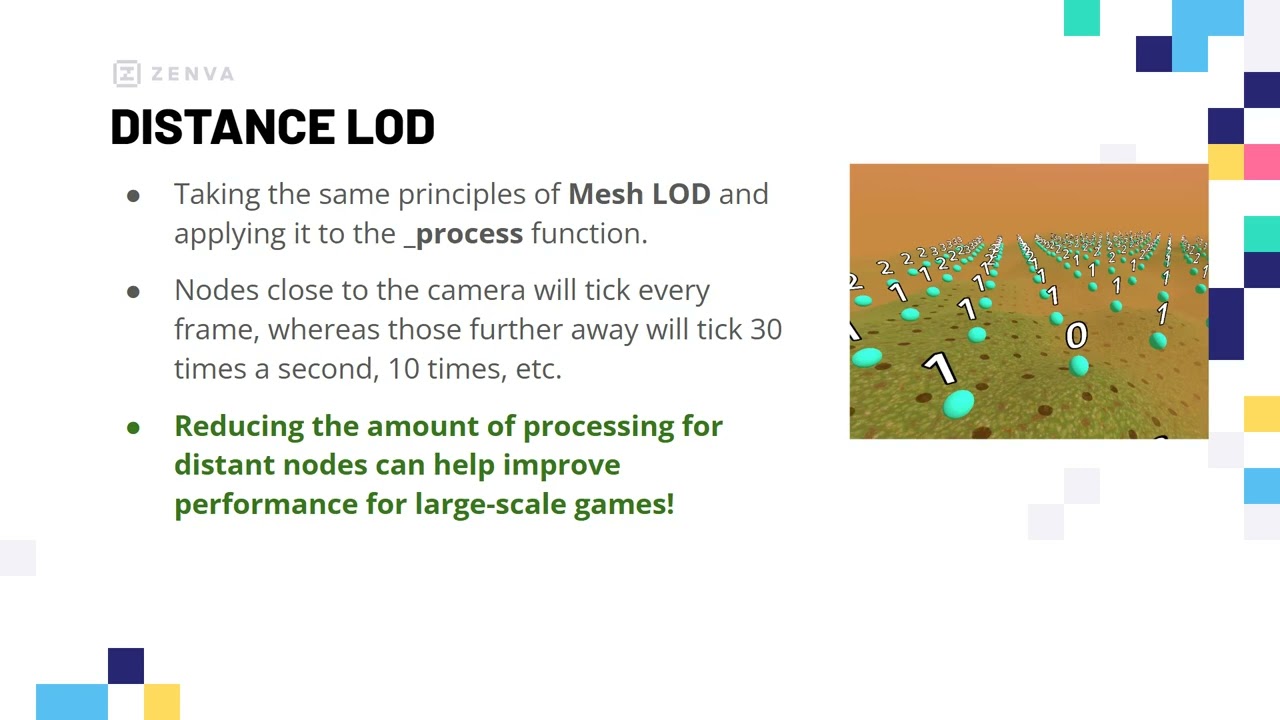

Build a Complete Roguelike from Scratch with Godot
Master roguelike development from start to finish with Godot.A staple of game development, the roguelike genre provides a framework for creating endlessly replayable and dynamic experiences for players. Through this course, you’ll construct a fully-fledged, action-packed roguelike game featuring procedural generation, challenging enemies, and powerful items. These modular-based skills will empower you to customize and expand upon the project, creating unique and complex roguelike worlds of your own.You will learn how to:Generate procedural room layoutsDesign unique enemies and bossesImplement a functional mini-mapAdd sounds and damage visualsCreate collectible player itemsManage room states with doors... and more!
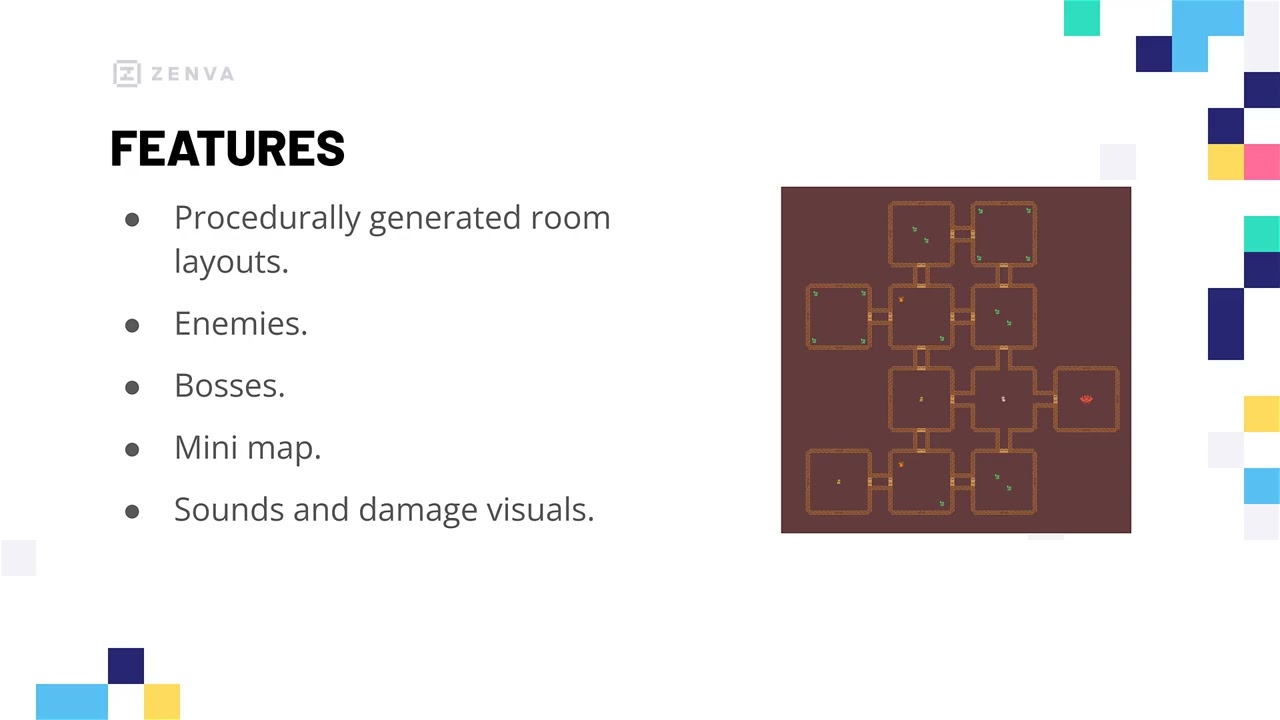

Metroidvania with Godot - Unit 2 - Combat and Levels
Build a complete Metroidvania experience with Godot! Metroidvania games are celebrated for their interconnected worlds, layered challenges, and exploration-driven gameplay. Through this course, you'll transform your simple Metroidvania platformer into a complete, multi-level game packed with thrilling combat, diverse enemies, and immersive audio-visual elements. By mastering these Godot skills, you’ll open the door to designing deeper, more engaging adventure games with persistent worlds that keep players coming back. You’ll learn how to: Design and connect multiple levels Add new enemy types and behaviors Implement guns and new weapons Enable controller input support Integrate sound effects and music Maintain global game state across scenes ... and more!


Publishing to Steam for Godot Game Projects
Publish your Godot game to Steam with confidence!Steamworks provides crucial tools for developers, enabling seamless publishing, player interaction, and monetization for games on Steam. In this course, you'll learn how to integrate Steamworks into your Godot project, equipping you to bring your games to a global audience as a fully-fledged Steam release. By completing the course, you’ll understand how to polish your game for publication and uncover the tools necessary to implement real-world features like achievements and player stats.You’ll learn how to:Initialize Steamworks in a Godot projectFetch user-specific dataIntegrate player avatars into the UITrack and unlock Steam achievementsModify and display in-game statsPrepare your game for Steam publishing... and more!

Create a Complete 2D Platformer in Godot
Build a fully-fledged 2D platformer using Godot!Creating platformer games is one of the most exciting and versatile ways to explore 2D game mechanics, with a great blend of player movement, enemy AI, and interactive objects. In this course, you'll construct a complete 2D platformer game from scratch – learning core mechanics like platforming fundamentals, health systems, coin collection, and level progression. By the end, you’ll have a polished, engaging 2D platformer and the skills to expand into any sort of 2D game you might imagine!You’ll learn how to:Set up a fully functional playerCreate enemies with basic AI behaviorDesign and implement a health systemAdd a coin collection and scoring systemUse persistent data across multiple scenesSet up level transitions with end flags... and more!


Intro to Mobile Game Development with Godot
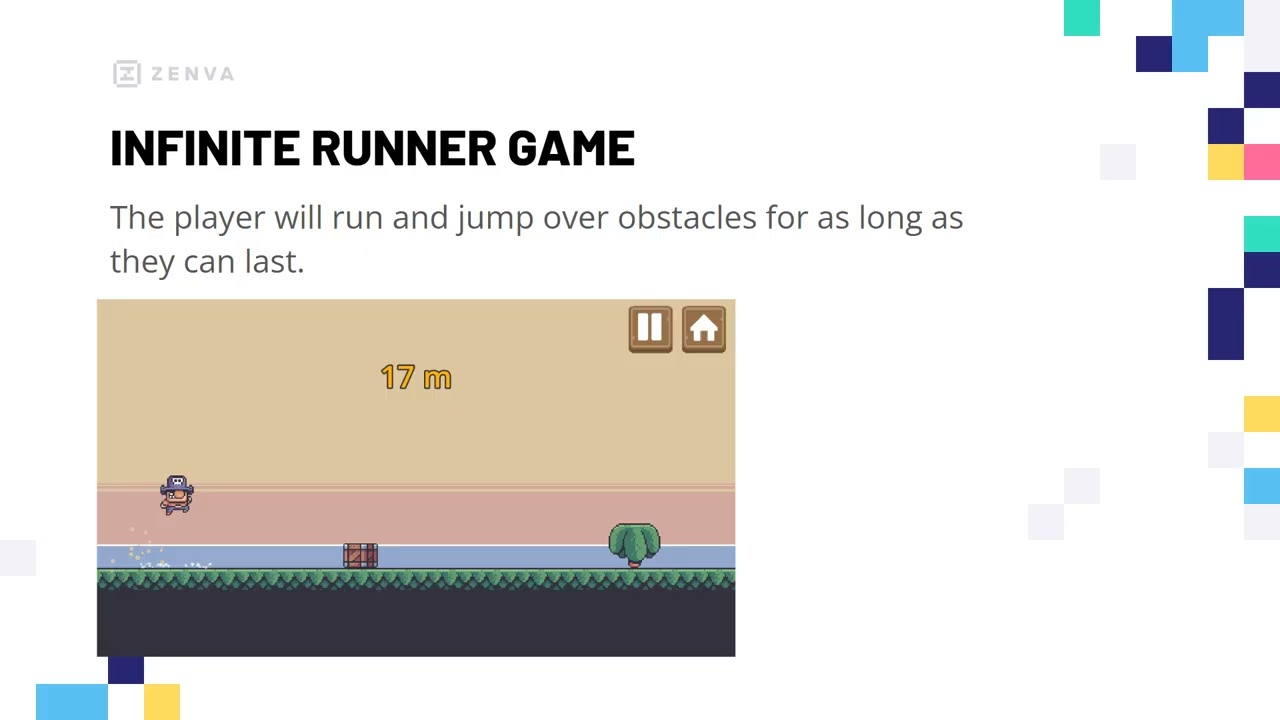
Build an infinite runner for mobile devices from start to finish with Godot!Mobile games are one of the most popular genres worldwide, offering unique challenges in design, controls, and user experience. In this course, you'll develop a complete infinite runner in Godot, mastering every step from core mechanics of the genre to deploying your finished app on Android and iOS. These techniques will help you unlock real-world skills to publish your own mobile games and level up towards more advanced titles.You'll learn how to:Design tap-based mobile controlsCreate an endless runner game loopImplement obstacle spawning and collisionDeploy games to Android and iOSWork through mobile-specific optimizationAdd game "juice" to enhance UX... and more!

Fighting Game in Godot - Unit 1 - Fighter Setup
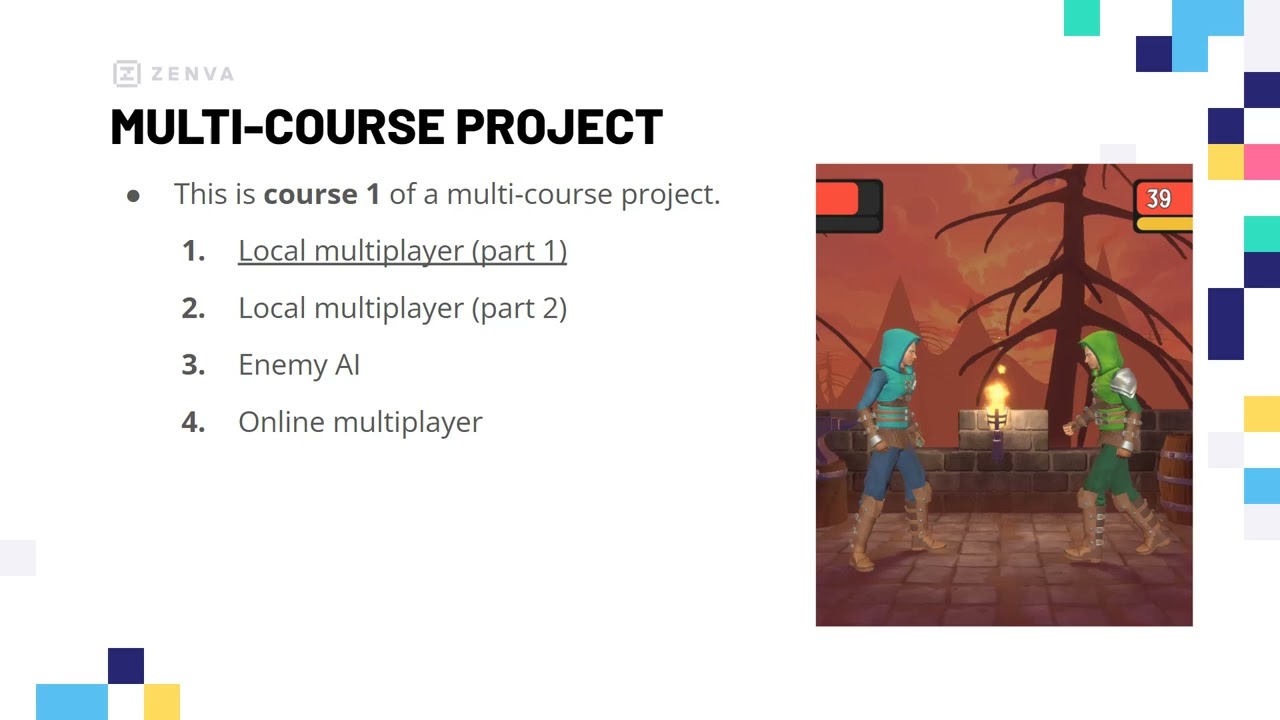
Master the complexities of state-based fighting games in Godot!Fighting games demand precise state management and responsive input handling to create competitive, high-stakes gameplay. In this course, you will build a solid foundation for a fully-fledged local multiplayer fighter by implementing complex character states and robust input systems. After establishing these core mechanics, you will be prepared to establish a complete game loop and bring your fighter into a proper arena.You'll learn how to:Implement state machine statesManage dual-player keyboard inputsDevelop responsive input buffering systemsConfigure advanced AnimationTree nodesScript diverse movement and attack abilitiesCreate dynamic hit damage effects... and more!

Fighting Game in Godot - Unit 2 - Level Creation
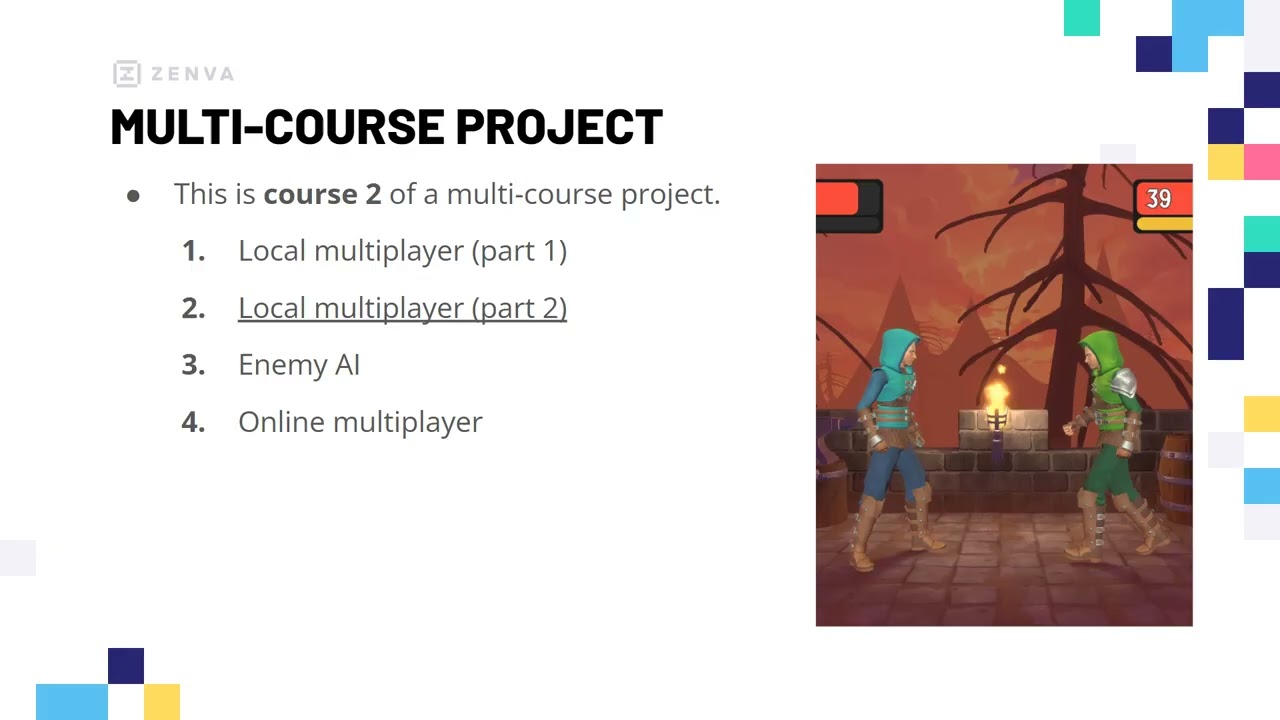
Advance your fighting game development skills by mastering immersive level design in Godot! Polished environments and balanced game loops are essential for creating fighting games that keep players engaged. In this course, you will build a complete, professional-looking fighting game environment by integrating detailed 3D assets, dynamic HUD elements, and a robust game loop system. These advanced integration skills will provide you with the necessary foundations to expand your fighting game in numerous ways - including adding enemy AI and online multiplayer. You will learn how to: Set up immersive 3D game levels Create functional player health bars Develop stamina-based attack systems Design comprehensive game loop flows Integrate dynamic sound and music Manage menu to game transitions ... and more!
Polished environments and balanced game loops are essential for creating fighting games that keep players engaged. In this course, you will build a complete, professional-looking fighting game environment by integrating detailed 3D assets, dynamic HUD elements, and a robust game loop system. These advanced integration skills will provide you with the necessary foundations to expand your fighting game in numerous ways - including adding enemy AI and online multiplayer.
You will learn how to:
Set up immersive 3D game levels
Create functional player health bars
Develop stamina-based attack systems
Design comprehensive game loop flows
Integrate dynamic sound and music
Manage menu to game transitions
... and more!

2D Action RPG in Godot - Unit 3 - Overworld & NPCs
Create standout overworlds and NPCs in your Godot action RPGs!Immersive environments and rich character interactions can help bring RPGs to life. In this course, you’ll finalize a complete project by constructing tile-based overworlds, interactive NPCs, and robust shop mechanics from start to finish. These skills will enable you to connect exploration, dialogue, and progression into seamless Godot experiences - core systems that define high-quality action RPGs.You’ll learn how to:Expand the overworld with tilemapsCreate persistent players across scenesImplement interactive dialogue with NPCsBuild a functional shop systemDesign a modular, expandable interaction systemBalance core gameplay loops... and more!


Learn 3D Modeling with Blender from Scratch
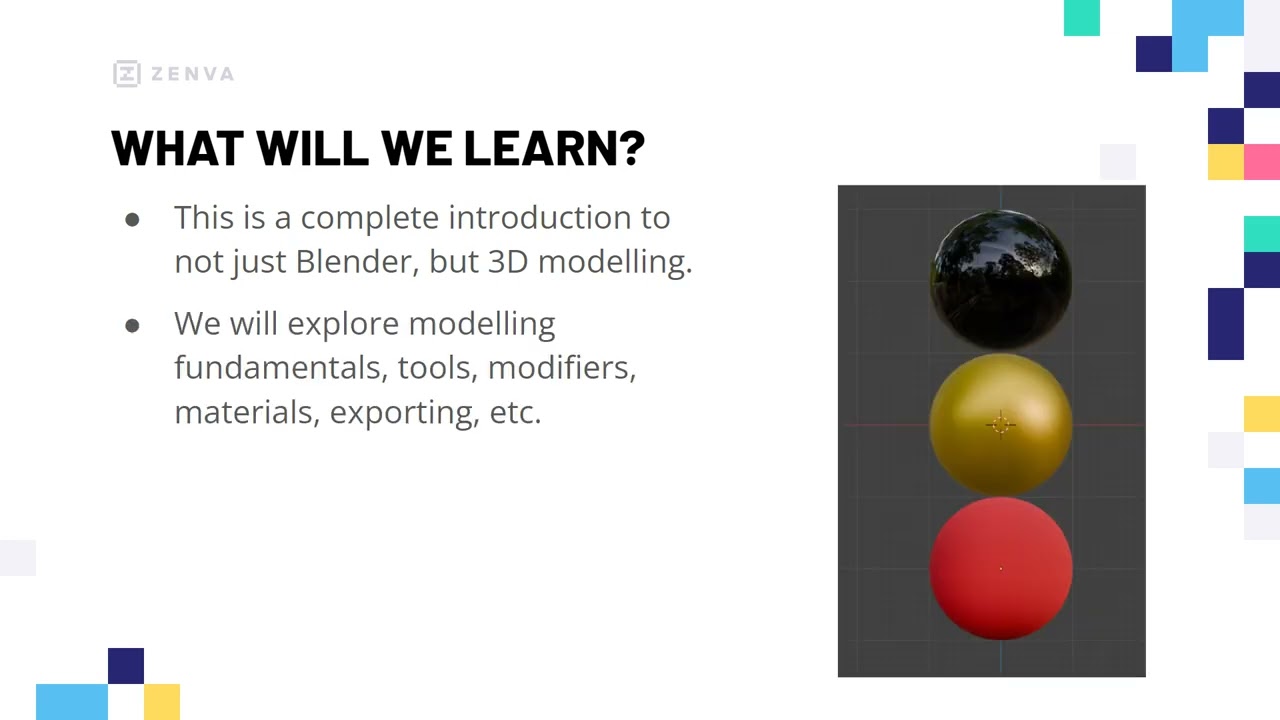
Master the foundations of Blender and 3D modeling!3D modeling, the process of creating digital 3D objects, is a robust field of study with real-world applications for animation, game development, and more. In this course, you'll explore the free and open-source Blender software and learn the fundamental techniques for manipulating meshes and creating custom assets. These skills will form the basis for expanding your 3D modeling skills and open up opportunities to create unique assets for your projects.You will learn how to:Understand how 3D objects workMove, rotate, and scale objectsEdit vertices, edges, and facesWork with Blender's modifiersApply materials to meshesExport models for other programs... and more!

Create Animations and Cinematic Cutscenes in Godot
Master professional animation workflows and cinematic cutscenes in Godot! Animation brings game worlds to life, while cinematic cutscenes provide the narrative foundation that grounds your players. In this course, you will use Godot’s animation system to animate 3D assets and build a complete, professional cinematic scene featuring advanced camera techniques. These animation and staging skills enable you to craft the high-fidelity, story-driven moments that define top-tier games. You'll learn how to: Utilize Godot's powerful animation system Animate 3D objects and vehicles Create seamless multi-camera cinematic sequences Apply professional cinematic lighting techniques Implement atmospheric volumetric fog effects Control transitions with minimal scripting ... and more!
Animation brings game worlds to life, while cinematic cutscenes provide the narrative foundation that grounds your players. In this course, you will use Godot’s animation system to animate 3D assets and build a complete, professional cinematic scene featuring advanced camera techniques. These animation and staging skills enable you to craft the high-fidelity, story-driven moments that define top-tier games.
You'll learn how to:
Utilize Godot's powerful animation system
Animate 3D objects and vehicles
Create seamless multi-camera cinematic sequences
Apply professional cinematic lighting techniques
Implement atmospheric volumetric fog effects
Control transitions with minimal scripting
... and more!


Monster Collector in Godot - Unit 2 - Battle System
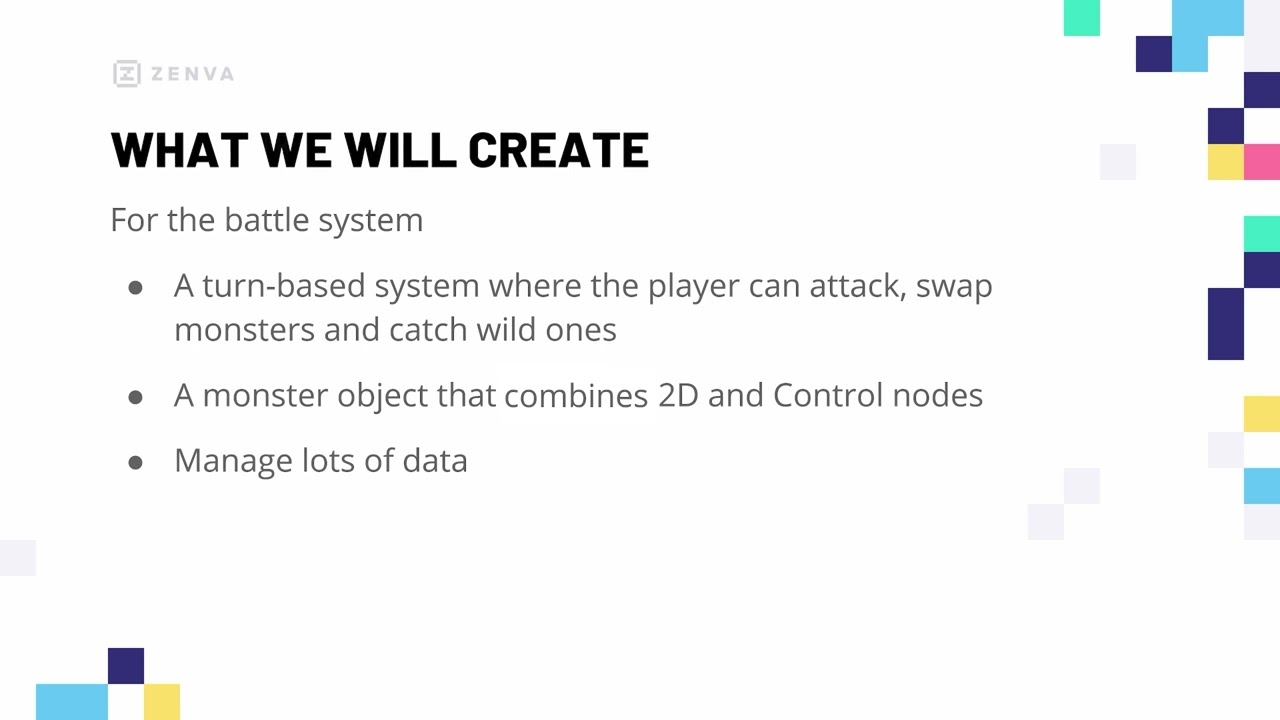
Build a fully-fledged, turn-based monster battle system in Godot! Monster-collecting battle mechanics are at the heart of some of gaming’s most enduring genres, demanding deep gameplay logic, robust data systems, and smart UI. Through this course, you’ll build a modular battle system for a monster collector game, including features like variations for different encounters, monster swapping, and capture mechanics. By mastering these advanced workflows, you'll be equipped to integrate professional battle systems into your own projects or expand your RPG design skills. You’ll learn how to: Implement a turn-based battle loop Manage state with custom enums Store and retrieve monster data Build catch and swap mechanics Combine 2D gameplay and UI nodes Write scalable and modular code ... and more!

The Comprehensive Godot Multiplayer Course
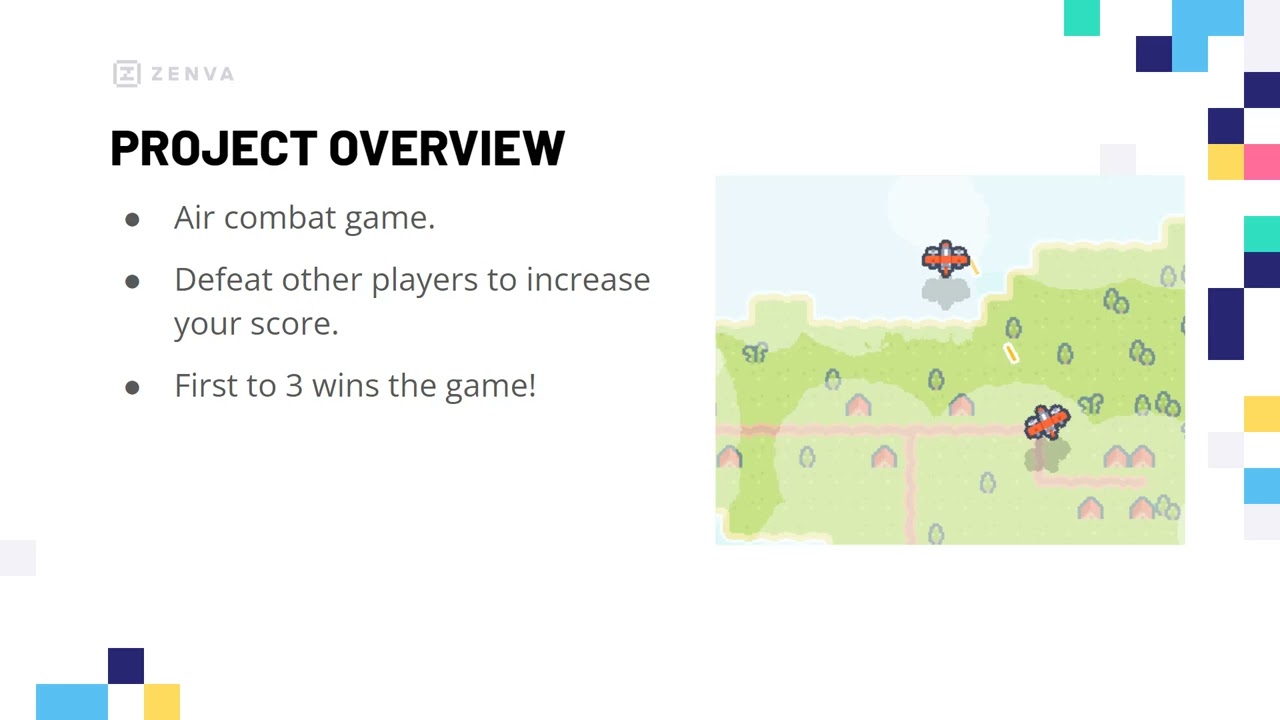
Dive into Godot’s built-in multiplayer functionality with our comprehensive course!Godot's multiplayer system enables developers to create engaging games that allow players to connect and compete across different computers. In this course, you'll develop an air combat game where players can fly planes, engage in thrilling dogfights, and aim to be the first to reach a high score. By the end, you'll have built a fully-fledged multiplayer game from start to finish, setting the stage for more complex networking projects.You'll learn how to:Start and connect to serversSpawn scenes across networksManage nodes over networksSynchronize properties over networksUse RPCs to call functionsCreate a fully-fledged game loop... and more!
Tier 2
everything in lower tiers, plus:
4 assets
$15.56

UI/UX for Game Design
Discover UI and UX design principles for games!The user interface (UI) and user experience (UX) play a critical role in communicating information to players and creating smooth, interactive gameplay. In this course, you'll build a UI/UX mockup for a mobile game while exploring design methodologies and wireframing techniques. These techniques will provide you new ways to approach UI/UX game design and to meaningfully apply iterative design to optimize your game's experience.You will learn how to:Understand users with user storiesCreate definitive design criteriaUtilize wireframes for mockupsApply common design conventionsTest and iterate design choicesRecognize design processes... and more!


Godot for Unity Developers Essentials
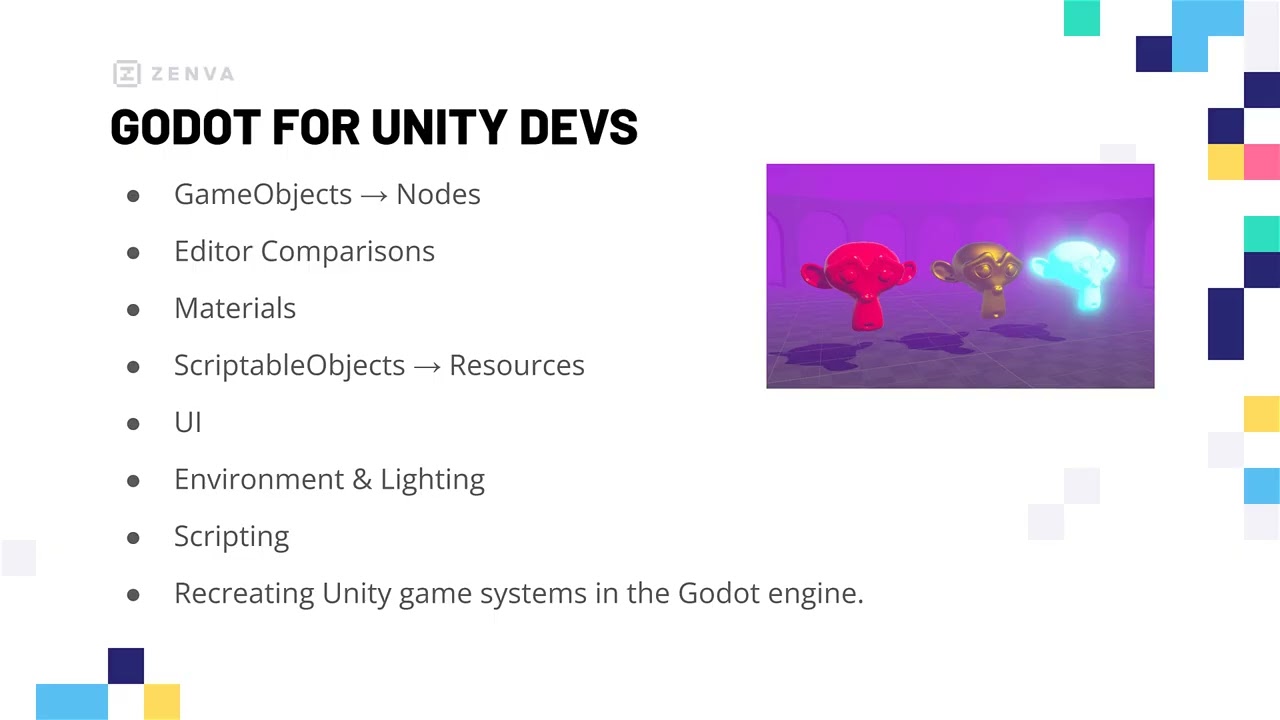
Master Godot as a Unity developer!Diversifying your expertise across multiple game engines provides the versatility needed to thrive in the modern, competitive landscape of game development. In this course, you will undergo a comparative deep dive, exploring core system equivalents and differences to translate your existing Unity knowledge into the Godot environment. Once finished, you will be empowered to confidently choose the right tool for any development task and leverage your cross-engine skills to optimize your professional workflow.You'll learn how to:Compare GameObjects with NodesMaster custom resources vs. ScriptableObjectsImplement familiar mechanics using GDScriptBuild user interface layoutsConfigure environmental lighting setupsMap Unity workflows into Godot... and more!
Tier 1
one-time unlock
2 assets
$5.18

Intro to Game Design
Discover how the core concepts of game design can help you to create fun and intuitive games!Game design is a fundamental process needed when creating any game - from the smallest platformer to the largest MMORPG. In this course, you'll start mastering the foundations of game design by examining each core component and how they apply to real-world games. By the end, you'll understand both why game design is important and, more crucially, how to apply the concepts to your own games and create a stunning portfolio.You will learn how to:Plan a game around a core mechanic or experienceEngage players by providing tangible goalsStructure game actionsGuide players through the gameUnderstand game feel and its effectsShow players how to play in different ways... and more!

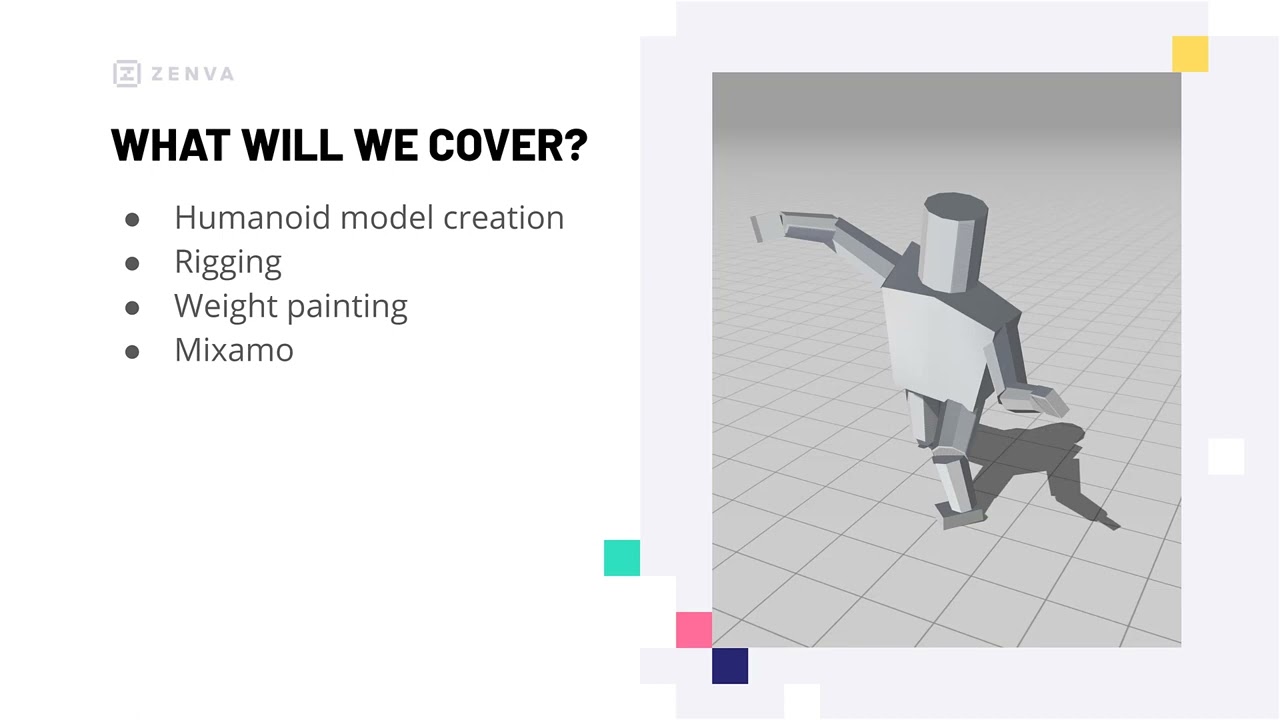
Intro to Rigging Models in Blender
Prepare your 3D models for animation by learning the fundamentals of rigging!Rigging is a key animation technique that involves creating a skeletal armature to manipulate a 3D mesh and streamline the animation process. In this course, you'll discover everything required for rigging - from setting up the "bones" to weight painting and controlling which parts of the mesh are affected by each bone. By the end, you'll have the foundations you'll need to master rigging any kind of 3D model and expand your skills in creating custom assets.You will learn how to:Create bones to build an armatureConnect your armature and 3D meshControl affected vertices with weight paintingExport rigged modelsApply Mixamo animations to your models