
Screenshots and videos
 1 / 11




Price history
Lowest recorded standalone price: $50. Recorded observations span to . This is our available history, not a guaranteed all-time low. Bundle package prices are separate.
Standalone price
Last three months, in USD. Bundle prices cover the whole package.
About Fast Cinematic PBR Particles
- Art & Visuals > VFX
Fast PBR Particles is a mesh-based particle system that generates its geometry once and then evaluates all particle behaviour entirely in the shader, enabling cinematic effects with minimal CPU cost and excellent platform coverage.
Core principles:
- Minimal CPU workload: particle meshes are built once; there is no per-frame CPU simulation, all temporal evolution is evaluated on the GPU with single-draw-call rendering.
- Broad graphics API support: despite the simulation happening on GPU, it doesn't require any advanced features targeting nearly all mainstream graphics APIs including OpenGL(ES) 2.0, DirectX 9.0, and all modern API.
- Physically based imaging: motion blur, depth of field, inter-frame temporal control, and exposure are derived from physical optical phenomenons with strict energy conservation.
Features:
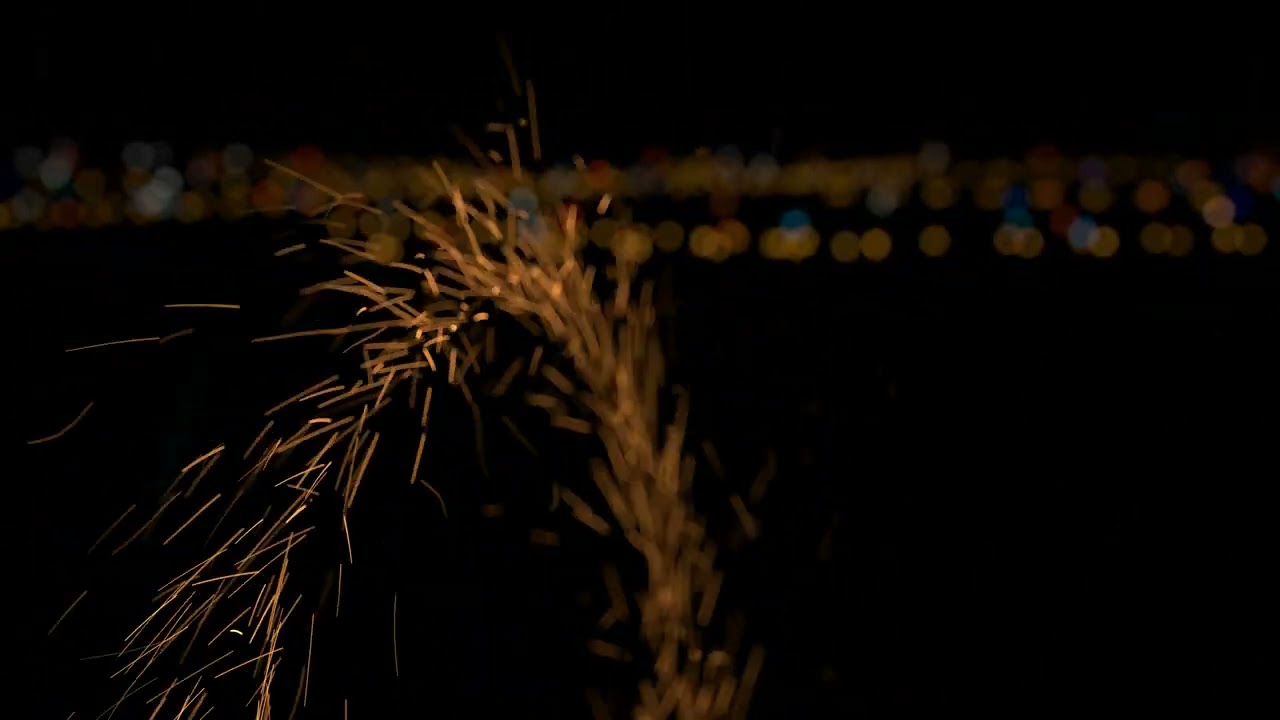
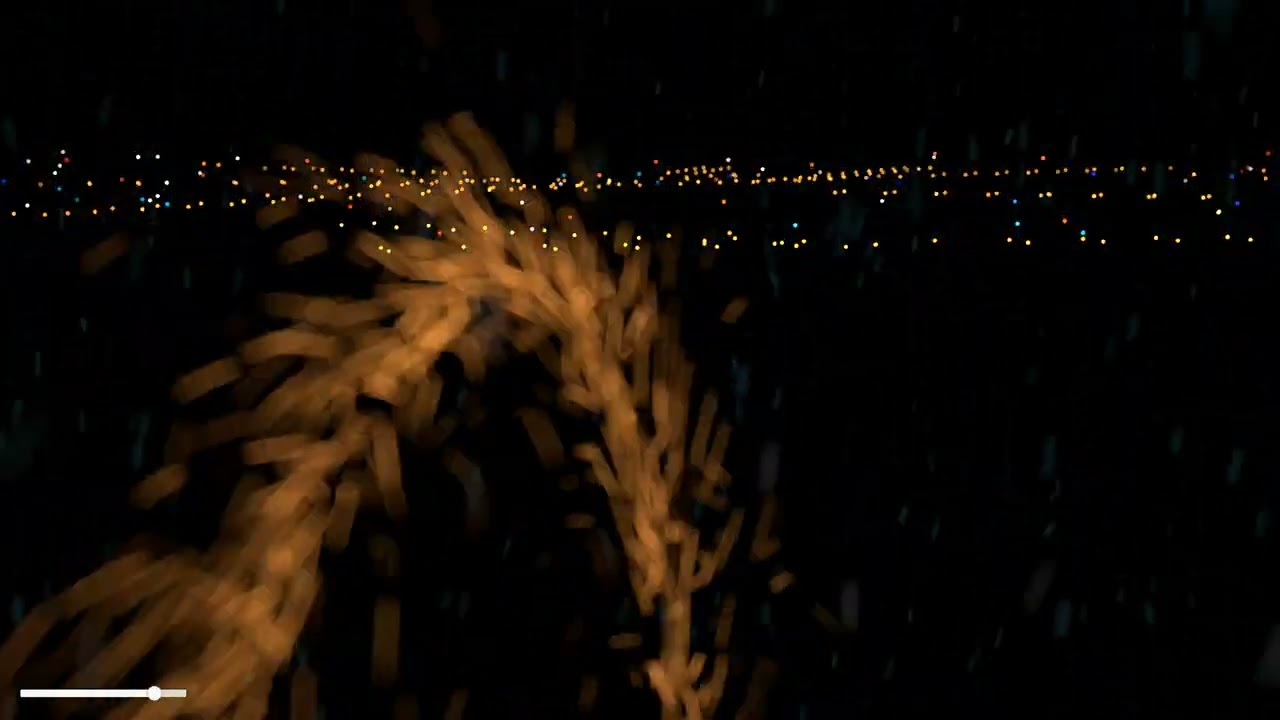
- Physically based motion blur from shutter interval by stretching the particle footprint
- Physically based depth of field: bokeh radius derived from physical camera parameters or volumes
- Energy conservation: fixed per-particle energy over the shutter interval
- Temporal controls: between frames blending, closed shutter interval, turbulence
- Lit and emissive particle shaders
- Deterministic playback and time reversal
- Accurate trajectory integrals account for gravity, drag and wind
- Static lights mode: bokeh and camera motion blur for non-moving light points
- Made to be extended